
Get Ambien Online - Information & Licensed U.S. Prescription
| Ambien (Zolpidem) |
| Dosage: 5 mg | 10 mg |
| Price: $3.83 $1.53 per pill | Save 60% |
| Get Started Now |
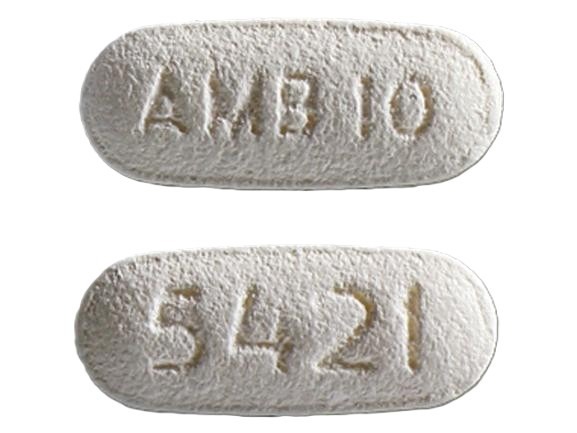
Medically reviewed by Dr Patel. Last updated on Nov 19, 2025.
What Ambien Is and When It’s Used
Ambien, made with zolpidem tartrate, is a sedative-hypnotic that was introduced to treat insomnia. It was developed to help patients fall asleep faster and, in some formulations, stay asleep longer while minimizing next-day sedation compared to older hypnotics. Ambien is often prescribed when behavioral interventions like sleep hygiene or cognitive behavioral therapy for insomnia (CBT-I) are insufficient, and a rapid improvement in sleep is necessary. This makes it an effective option for short-term treatment, particularly for people with difficulty falling asleep who need safe, guided access through a licensed U.S. provider.
For safety, Ambien is generally recommended only for long-term or continuous use without regular re-evaluation in rare cases, because responsible oversight is essential. When you purchase it online through a verified service, you receive a quick summary of how the medication works, along with proper instructions to support responsible use. Getting Ambien through the right channel ensures you’re following medical standards while gaining access to the treatment you need.
CBT-I - Cognitive Behavioral Therapy for Insomnia; teaches better sleep habits.
Sedative-hypnotic - A type of medicine that helps calm the mind and promote sleep.
How Ambien (Zolpidem) Works
It’s important to understand how Zolpidem functions inside the central nervous system. The medicine works by modulating the GABAA receptor complex, focusing on subunits like α1 that help mediate sedation. Unlike benzodiazepines, this selective action leads to smooth sleep induction with less effect on muscle relaxation or anxiety pathways, giving patients a targeted experience. Its half-life is short, usually about 2–3 hours, especially with immediate-release dosing, which helps reduce next-day drowsiness. According to pharmacokinetic notes, the peak blood levels appear around 1 hour after an IR dose, and some sublingual forms can work even faster.
Extended options like CR tablets offer a longer effective duration thanks to their dual-release design. For the fastest onset, doctors often recommend taking it on an empty stomach, since food delays absorption. The medication is metabolized in the liver using CYP enzymes, so extra caution is needed for anyone with liver impairment or those taking strong CYP inhibitors. All these details help you use Ambien safely and effectively when obtaining it online through proper medical guidance.
GABAA (Gamma-Aminobutyric Acid Type A) - A receptor in the brain that helps slow down nerve activity, creating calming and sleep-promoting effects.
CR Tablets (Controlled Release Tablets) - Pills designed to release the medication slowly over time so the effect lasts longer.
CYP Inhibitors (Cytochrome P450 Inhibitors) - Substances that slow down the enzymes responsible for breaking down many medications in the body.
α1 (Alpha-1 Subunit) - The part of the GABA receptor that mainly causes the sleep and calming effects.
IR (Immediate Release) - A form of the medicine that works quickly as soon as you take it.
Pharmacokinetic - Refers to how the body absorbs, moves, breaks down, and removes a medicine.
History of Ambien Medication
It helps to know how Ambien began and why zolpidem became a trusted option for sleep issues.
Early 1980s: Ambien (zolpidem) was first synthesized by researchers at the French pharmaceutical company Synthélabo (now part of Sanofi) as a non-benzodiazepine sleep medication.
1984: The first U.S. patent for zolpidem was issued to Synthélabo.
1988: Zolpidem was introduced and used in Europe.
1992: The FDA approved zolpidem under the brand name Ambien for short-term treatment of insomnia.
- Standard adult dose: 10 mg
- Lower dose: 5 mg for the elderly and those with hepatic impairment
2005: Ambien CR (controlled release) was approved by the FDA for sleep onset and sleep maintenance.
- Available doses: 6.25 mg and 12.5 mg
2007: Patent for the original immediate-release Ambien expired; FDA approved multiple generic versions
2011: FDA approved Intermezzo, a sublingual, lower-dose option for middle-of-the-night awakenings.
2013: Due to safety concerns (next-morning impairment, sleepwalking, sleep-driving), the FDA mandated a labeling change:
- Women’s IR dose lowered from 10 mg → 5 mg.
- Women’s ER dose lowered from 12.5 mg → 6.25 mg.
2015: The American Geriatrics Society recommended that adults over 65 avoid zolpidem due to low efficacy and higher risks.
2019: The FDA required a Boxed Warning on all insomnia drugs, including Ambien, for the risk of serious injuries from complex sleep behaviors.
Present Day: Ambien remains widely prescribed, but only for the shortest possible duration, with strong safety oversight by medical professionals.
Ambien Form and Uses
It helps to understand how its different forms are used and why doctors follow specific guidelines. The medication’s FDA-approved indication focuses on the short-term management of insomnia, especially when someone has difficulties with sleep initiation. Different formulations are made for either falling asleep or sleep maintenance, and the overall intent is to keep treatment to short courses when non-drug measures are insufficient. Because the goal is safe use, Ambien is often given under medical oversight, especially when the situation involves situational insomnia, acute stress, or other temporary problems that affect sleep.
There are also common off-label or limited uses where doctors may still use Zolpidem, but carefully. These include short-term sleep support for shift workers, travel, or jet lag, always with physician guidance. Even with these benefits, Ambien is not recommended as a first-line option for long-term therapy, especially in people with chronic insomnia, because CBT-I and other behavioral strategies show superior and sustained outcomes without the pharmacologic risks linked to extended use.
Dosage Rules & Who Needs Adjustments
They should understand that Dosing is always individualized, even when doctors follow general starting points used in clinical practice. Your prescriber’s instructions matter because each Population responds differently. For example, Adult men who are healthy often begin with a Typical Starting Dose of 5–10 mg at bedtime, while the Typical CR Dose may be 6.25–12.5 mg, and the Maximum Dose follows the usual limits. Women, under general guidance, must not exceed the recommended female doses unless a specialist review is required. Elderly users or those with hepatic impairment usually need 2.5–5 mg or 3.125–6.25 mg and must titrate carefully because a Lower max helps keep them safe. A person facing a Middle-of-night awakening may need a sublingual or intermezzo option like 1.75 mg for women or 3.5 mg for men, sometimes marked N/A for extended forms, and should use it only if less than 4 hours remain in the sleep period.
There are also Key dosing rules that help users stay safe when they buy Ambien online. Always take immediately before going to bed because of the fast onset, and ensure you have 7–8 hours available so you can reduce the chance of next-day impairment. Avoid food within 2 hours before dosing if you want the quickest onset, and always reduce doses in elderly patients or people with liver disease. Ambien is not recommended for children except in rare, specialist-directed situations, so adults should never share it or adjust doses without guidance.
Sublingual / Intermezzo - A tablet that melts under the tongue for middle-of-the-night wakeups.
What to Expect During Treatment
When used as directed, many people who buy Ambien online find that they notice a reduced time to fall asleep, often within the first night. As your body adjusts, sleep continuity may gradually improve, especially with CR or targeted sublingual products. You can expect a faster sleep onset, usually in about 15–30 minutes, particularly with IR options. Some experience less middle-of-the-night wakefulness and reduced daytime sleepiness when compared with older hypnotics, as long as dosing and sleep time are respected.
However, if symptoms persist after 2–4 weeks, or if you require nightly use for more than a month, it’s important to discuss a re-evaluation with your doctor. Long-term reliance on sleep meds without addressing the behavioral causes of insomnia is strongly discouraged.
Side Effects, Risks & How to control Them
When people use Zolpidem correctly, it is generally well tolerated, but some important side effects and safety considerations still matter. You may notice Next-day drowsiness, impaired driving risk, or issues related to higher doses and reduced sleep time, so it is best to use the lowest effective dose and allow 7–8 hours for rest. Some may feel Dizziness, balance problems, or experience Occasional discomfort when starting. Always take precautions and avoid hazardous activities until the effect is known. Rare but serious complex sleep-related behaviors, such as sleepwalking, sleep driving, or sleep eating, require you to stop zolpidem and seek urgent evaluation, especially if you have a history of such actions.
You should also watch for Memory impairment, anterograde amnesia, or unusual Paradoxical reactions like agitation or worsened anxiety. Allergic reactions such as rash or angioedema need Immediate medical attention. Avoid drug interactions, especially when substances like alcohol, opioids, or other CNS depressants are involved, because combined use can cause dangerous respiratory depression and excessive sedation. Never mix zolpidem with alcohol, and always inform your prescriber about all medications, herbal products, and supplements you take so they can guide safe Management and reassessment when needed.
Anterograde amnesia - Trouble forming new memories after taking the medicine.
CNS depressants - Medicines or substances that slow down the brain and make you drowsy.
Angioedema - Sudden swelling under the skin, often around the face or throat.
Paradoxical reactions - Unexpected opposite effects, like agitation or restlessness instead of calm.
Paradoxical reactions - Unexpected opposite effects, like agitation or restlessness instead of calm.
Tolerance, Dependence & Stopping Safely
With regular and nightly use over several weeks or months, the body can slowly build tolerance, meaning a reduced effect from the same dose. This may lead to physiologic dependence, especially if zolpidem is taken for an extended period. Some people may experience Withdrawal or rebound insomnia if the medication is stopped too suddenly, which is why understanding the key Principles for stopping safely is important. If the drug has been used for less than 2–3 weeks, stopping abruptly is usually tolerated, but longer use often requires a gradual tapering plan under physician guidance.
Proper Tapers may involve dose reductions, switching to intermittent (PRN) dosing, or a transition to non-habit-forming strategies such as CBT-I. While Severe withdrawal is uncommon, it can include rebound insomnia, anxiety, tremor, or rarely seizures in vulnerable patients. Always work closely with your prescriber if your sleep medication is no longer effective or if you want to stop safely.
PRN (As Needed) - Take the medicine only when you need it.
Ambien vs Other Sleep Meds
Zolpidem (Ambien) is a Z-drug known for its fast action, usually working in 15–30 min. It helps with Sleep onset & some maintenance, lasting about 6–8h (IR) or even longer with CR. Its risk level is considered Moderate, which makes it a common pick for many adults.
Another Z-drug is Zaleplon (Sonata), starting in 10–20 min and lasting around 4h. It focuses mainly on Sleep onset; useful for middle-of-night dosing when limited time, offering a low–to–moderate risk profile.
If someone needs more steady support through the night, Eszopiclone (Lunesta) is also a Z-drug. It begins working in 20–40 min, stays active for 6–8h, and supports Sleep maintenance with a Moderate risk level.
A stronger option is Temazepam (Restoril), a Benzodiazepine. This one starts slower (30–60 min) but lasts 8–12h, which makes it useful for Sleep maintenance, though its risk is High. Some people prefer gentler choices like Doxepin (Silenor), a Low-dose TCA. It begins in 1–2h, lasts all night, and supports Sleep maintenance; minimal abuse risk with a Low overall risk. Others rely on non-traditional sleep aids such as Melatonin, Suvorexant, or Ramelteon, which fall under Various categories like hormonal or orexin modulators. Their timing varies, their duration varies, and they are mainly used for Chronic insomnia or circadian issues, carrying a Low risk.
No matter which medicine is chosen, Non-drug therapies remain the backbone of long-term care, especially for ongoing sleep problems.
How to Buy Ambien Online Safely & Legally
- Obtain a legitimate prescription from a licensed prescriber. This can be done in-person or via reputable telemedicine, where a licensed clinician evaluates your insomnia and rules out any underlying causes.
- Choose an accredited online pharmacy. Verify their pharmacy accreditation, such as NABP, LegitScript, or your country’s regulatory mark. Avoid sites that sell controlled drugs without a prescription.
- Verify the product before purchasing. Ensure the medicine is human-labeled zolpidem, has the correct strength, and comes from reputable manufacturers. Avoid imports unless you understand local regulations.
- Check shipping and privacy. Use secure payment, tracked shipping, and keep records of your prescription and order.
- Never use veterinary formulations. Veterinary products contain different excipients and concentrations, which can be dangerous.
Watch for red flags. Avoid websites offering “no prescription needed” Ambien, extremely low prices, or missing verifiable contact information, as these are likely illegal and unsafe.
Legal Considerations, Shipping, and Customs Warnings
Ambien (zolpidem) is an effective, short-term option for insomnia when taken judiciously under medical supervision. The safest approach combines brief, targeted medication use with behavioral therapy (CBT-I) and attention to sleep hygiene. If you are buying online, prioritize licensed prescribers and accredited pharmacies, and always monitor side effects. Consult your healthcare provider for ongoing management and guidance if you want to discontinue therapy.
Safe Use Checklist – Quick Actions: Speak to a licensed clinician before starting. Begin with the lowest effective dose; women and the elderly may need lower doses. Take immediately at bedtime, ensuring 7–8 hours are available for sleep. Do not combine with alcohol or other sedatives. Monitor for unusual sleep behaviors and next-day impairment. Plan for short-term use and integrate CBT-I for long-term resolution. Always buy from accredited pharmacies and keep prescription records.