
Get Tapentadol Online: Information & Licensed Doctor Rx
| Tapentadol |
| Dosage: 100mg |
| Price: $2.20 $1.04 per pill | Save 53% |
| Buy Now |
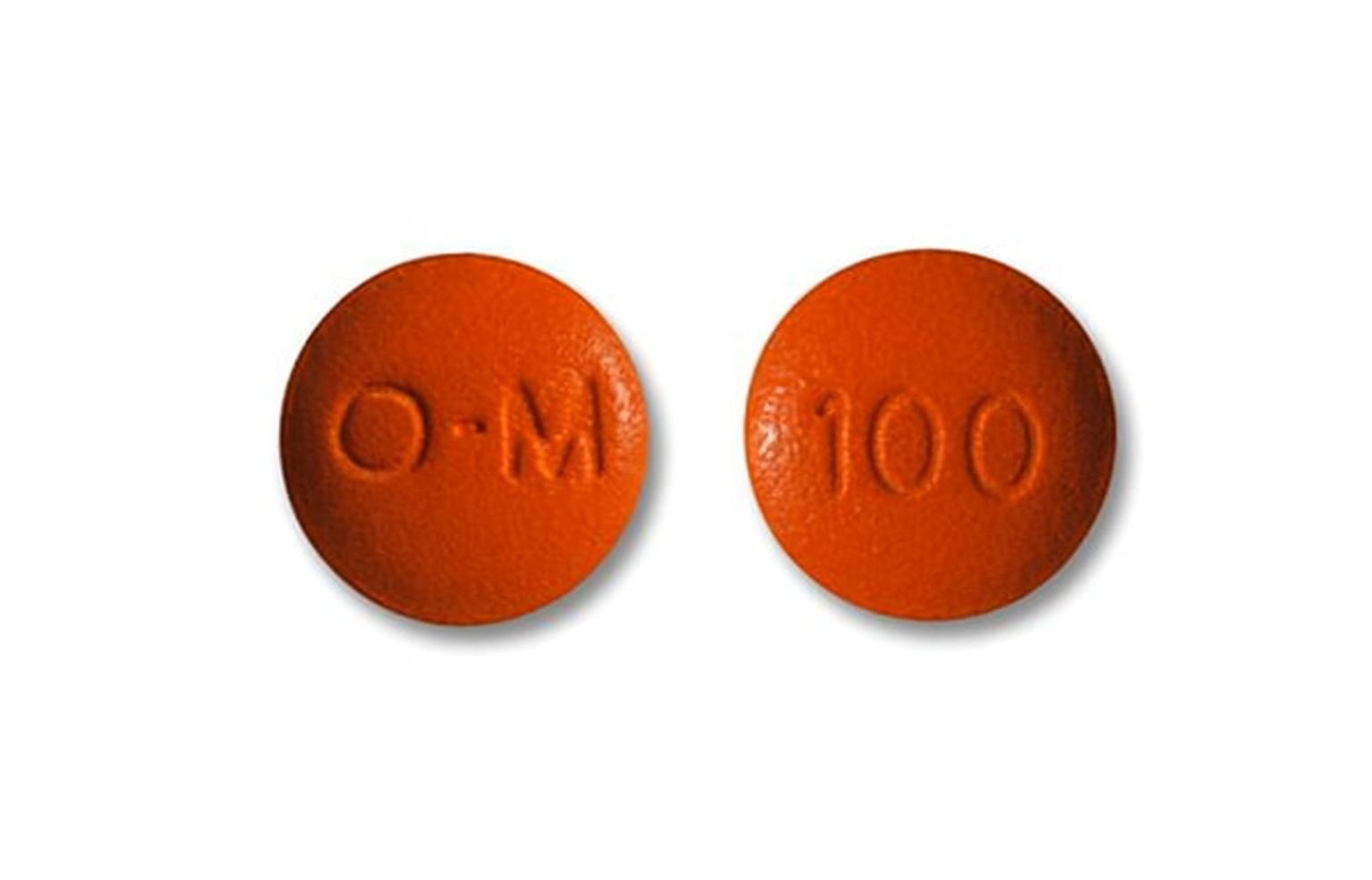
Medically reviewed by Dr Patel. Last updated on 06 June, 2026.
What is Tapentadol
Tapentadol, commonly known by the brand name Nucynta, is a potent prescription medication and prescription opioid used to treat moderate pain, severe pain, acute pain, and chronic pain. This analgesic provides effective pain relief and is commonly used as part of a pain treatment plan.
Unlike many traditional narcotics and other narcotics, Tapentadol has a dual mechanism of action. It works in two ways by activating opioid receptors through receptor activation while increasing the brain chemical noradrenaline (norepinephrine) in the brain, central nervous system, and nervous system, supporting its therapeutic use for both acute and chronic pain conditions.
How It Works
Tapentadol uses a dual-action mechanism and unique mechanism to support pain management. It alters how the brain, central nervous system, and nervous system respond to pain, helping improve the body's response to discomfort. As an analgesic medication, it is designed to provide effective pain relief and overall symptom relief as part of a broader treatment plan.
Compared with some traditional opioids and other opioids used in opioid therapy, Tapentadol may offer a strong therapeutic effect while supporting patient comfort. Its action may also be associated with reduced side effects, including fewer gastrointestinal side effects, digestive side effects, nausea, and constipation, which can improve overall tolerability and contribute to more effective relief.
Common Forms
- Immediate-Release (IR) is a medication used in pain management, therapy, and treatment for patients under strict medical supervision and supervision. It is used for short-term management of sudden, severe, acute pain and general pain relief.
- Extended-Release (ER) is designed for around-the-clock control of persistent, chronic pain, chronic nerve damage, and nerve conditions such as diabetic neuropathy. It is not meant for as-needed use and is prescribed for long-term care.
Both forms are part of a strong opioid, opioid, and narcotic system of treatment. Tapentadol has Controlled Substance Status, and it carries high risk risk of addiction, abuse, and misuse, requiring careful prescription, strict medical supervision, and treatment as a regulated drug focused on patient safety.
History of Tapentadol
Tapentadol was developed by Grünenthal GmbH in Germany in the early 2000s. It was derived from research on tramadol, morphine, and tramadol metabolites, evolving through ring-opening and structural modifications to create a direct-acting drug. Designed as a "dual-mode" analgesic, it works on both opioid receptors and norepinephrine pathways to provide effective pain relief.
The drug was approved by the FDA on November 20, 2008, for moderate to severe acute pain. The immediate-release (IR) form was launched first, followed by the extended-release (ER) version in 2011. Tapentadol is available in many countries worldwide, including Europe since around 2010, and it is classified as a Schedule II controlled substance in the U.S. due to its abuse potential.
Important Safety Information
- Tapentadol, a strong opioid and controlled substance, carries serious risk of Overdose and Death, especially with extended-release tapentadol misuse. Crushing, breaking, or chewing any pill can lead to fatal respiratory depression, respiratory depression, severe breathing problems, and increased overdose risk, affecting overall patient safety and causing serious complications.
- Dangerous Interactions occur when you mix tapentadol with alcohol, central nervous system medications or other medications, leading to sedation, severe sedation, and even fatal breathing problems.
- Combining tapentadol with antidepressants or other medications that affect serotonin may cause Serotonin Syndrome, a life-threatening condition with serious adverse effects.
- Long-term use may lead to Dependence, and sudden stopping or reducing the medication can cause Withdrawal, withdrawal symptoms, and other severe symptoms.
- These risks highlight the importance of careful patient safety monitoring and awareness of all drug interactions, risks, and safety concerns linked with this opioid.
Legal and Safe Steps to Order Online
Before you buy tapentadol online, always start with a legitimate, licensed provider in your jurisdiction who can prescribe controlled substances through telehealth and online doctor visits. Make sure the website is trusted, operates under proper regulations, and does not show red flags. Stay away from services that ship medicine from outside regulated systems, as this can be illegal and unsafe.
Next, book a consultation that happens in a virtual meeting with a doctor. You will discuss your symptoms, medical history, and may request scans, photos, or share past therapy details. The doctor will check if tapentadol is medically appropriate for your acute pain condition and review possible contraindications like substance use, other medications, or organ impairment.
If your case is approved, the doctor will issue a tapentadol prescription. As it is a short-term medicine with misuse potential, prescribers remain cautious in an online setting. They may recommend alternative pain relief options or require an in-person follow-up before continuing treatment.
Your prescription is usually sent electronically to a local pharmacy or arranged through mail order, depending on local rules and regulations. Always choose a licensed pharmacy, follow directions, monitor side effects, avoid alcohol and depressants, and attend regular follow-up visits to ensure safe use.
If you live in another country outside the U.S., take time to review local scheduling, availability, import rules, and legal frameworks. This helps ensure your telehealth prescription for tapentadol follows the law.
Patient's often-asked questions
| Question | Answer |
|---|---|
| What Is Tapentadol Used For? | Tapentadol is a prescription pain medication used to treat moderate to severe pain. It is commonly prescribed for acute pain after surgery or injury, as well as chronic pain conditions that require long-term management. Some patients may also receive Tapentadol for certain types of nerve-related pain under medical supervision. |
| Is Tapentadol Stronger Than Tramadol? | Yes, Tapentadol is generally considered stronger than Tramadol for pain relief. It has a more direct effect on opioid receptors and often provides faster and more effective pain control. However, the right medication depends on the patient's condition, medical history, and treatment goals. |
| How Long Does Tapentadol Take to Work? | Immediate-release Tapentadol usually begins working within 30 to 60 minutes after administration. The onset of action may vary depending on factors such as dosage, metabolism, and whether the medication is taken with food. |
| How Long Does Tapentadol Last? | The effects of immediate-release Tapentadol typically last between 4 and 6 hours. Extended-release formulations are designed to provide pain relief for up to 12 hours and are commonly used for chronic pain management. |
| What Are the Side Effects of Tapentadol? | Common side effects of Tapentadol include nausea, dizziness, drowsiness, headache, constipation, dry mouth, and fatigue. Most side effects are mild and may improve as the body adjusts to the medication. Patients should contact a healthcare provider if symptoms become severe or persistent. |
| Can Tapentadol Cause Addiction? | Yes, Tapentadol has the potential to cause dependence and addiction because it is an opioid medication. The risk may increase with higher doses, prolonged use, or misuse. Patients should always follow their prescribed treatment plan and use the medication exactly as directed. |
| Is Tapentadol an Opioid? | Yes, Tapentadol is classified as an opioid analgesic. It works by affecting opioid receptors in the brain and nervous system while also influencing norepinephrine activity to help manage pain. |
| How Should I Take Tapentadol? | Tapentadol should be taken exactly as prescribed by a licensed healthcare provider. Patients should never exceed the recommended dose or alter their treatment schedule without medical guidance. The medication may be taken with or without food unless otherwise directed. |
| What Is the Difference Between Tapentadol IR and ER? | Immediate-Release (IR) Tapentadol is used for short-term or breakthrough pain and provides faster relief. Extended-Release (ER) Tapentadol is designed for around-the-clock pain control and is generally prescribed for chronic conditions requiring continuous treatment. |
| Can I Drink Alcohol While Taking Tapentadol? | No, alcohol should be avoided while taking Tapentadol. Combining alcohol with opioid medications may increase the risk of severe drowsiness, respiratory depression, impaired judgment, and other serious complications. |
| Can Tapentadol Be Taken With Other Medications? | Tapentadol may interact with certain medications, including antidepressants, sedatives, sleeping pills, and other opioids. Patients should inform their healthcare provider about all medications and supplements they are taking before starting treatment. |
| Does Tapentadol Work for Nerve Pain? | Tapentadol may be effective for certain types of nerve pain because of its dual mechanism of action. Some healthcare providers prescribe it for neuropathic pain when other treatments have not provided adequate relief. |
| Is Tapentadol Safe for Long-Term Use? | Tapentadol can be used for long-term pain management when prescribed and monitored by a healthcare professional. Regular evaluations help ensure that the benefits of treatment continue to outweigh potential risks. |
| What Happens If I Miss a Dose of Tapentadol? | If a dose is missed, patients should take it as soon as they remember unless it is almost time for the next scheduled dose. A double dose should never be taken to make up for a missed dose. |
| Can Tapentadol Cause Withdrawal Symptoms? | Yes, withdrawal symptoms may occur if Tapentadol is stopped suddenly after prolonged use. Common symptoms may include anxiety, sweating, restlessness, insomnia, nausea, and muscle aches. Healthcare providers often recommend gradually reducing the dose when discontinuing treatment. |
| How Long Does Tapentadol Stay in Your System? | The exact time varies from person to person, but Tapentadol is generally eliminated from the body within a few days after the last dose. Factors such as age, kidney function, metabolism, and dosage can affect how long the medication remains in the system. |
| Can Tapentadol Make You Sleepy? | Yes, drowsiness is a common side effect of Tapentadol. Patients should avoid driving, operating heavy machinery, or performing activities that require full alertness until they understand how the medication affects them. |
| Is Tapentadol Stronger Than Oxycodone? | Tapentadol and Oxycodone are both effective opioid pain medications, but they work differently. Oxycodone is generally considered more potent on a milligram-to-milligram basis, while Tapentadol may offer effective pain relief with a different side-effect profile for some patients. |
| What Should I Avoid While Taking Tapentadol? | Patients should avoid alcohol, recreational drugs, unauthorized dose increases, and medications that may interact with Tapentadol unless approved by a healthcare provider. Following prescribing instructions helps reduce the risk of serious side effects. |
| Can Tapentadol Cause Seizures? | Although uncommon, Tapentadol may increase the risk of seizures in some individuals, particularly those with a history of seizure disorders or those taking certain interacting medications. Patients should discuss their medical history with a healthcare provider before starting treatment. |